
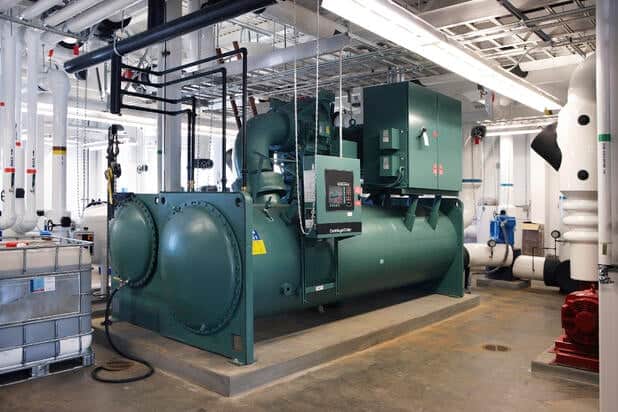
You’ve spent millions on magnetic-bearing chillers.
You’ve installed premium Daikin or Carrier machines promising ultra-high efficiency.
You even have a sleek Building Management System (BMS) dashboard that looks like a NASA control room.
And yet, at 4:00 PM, the familiar call comes in:
“It’s freezing here. Everyone’s wearing sweaters.”
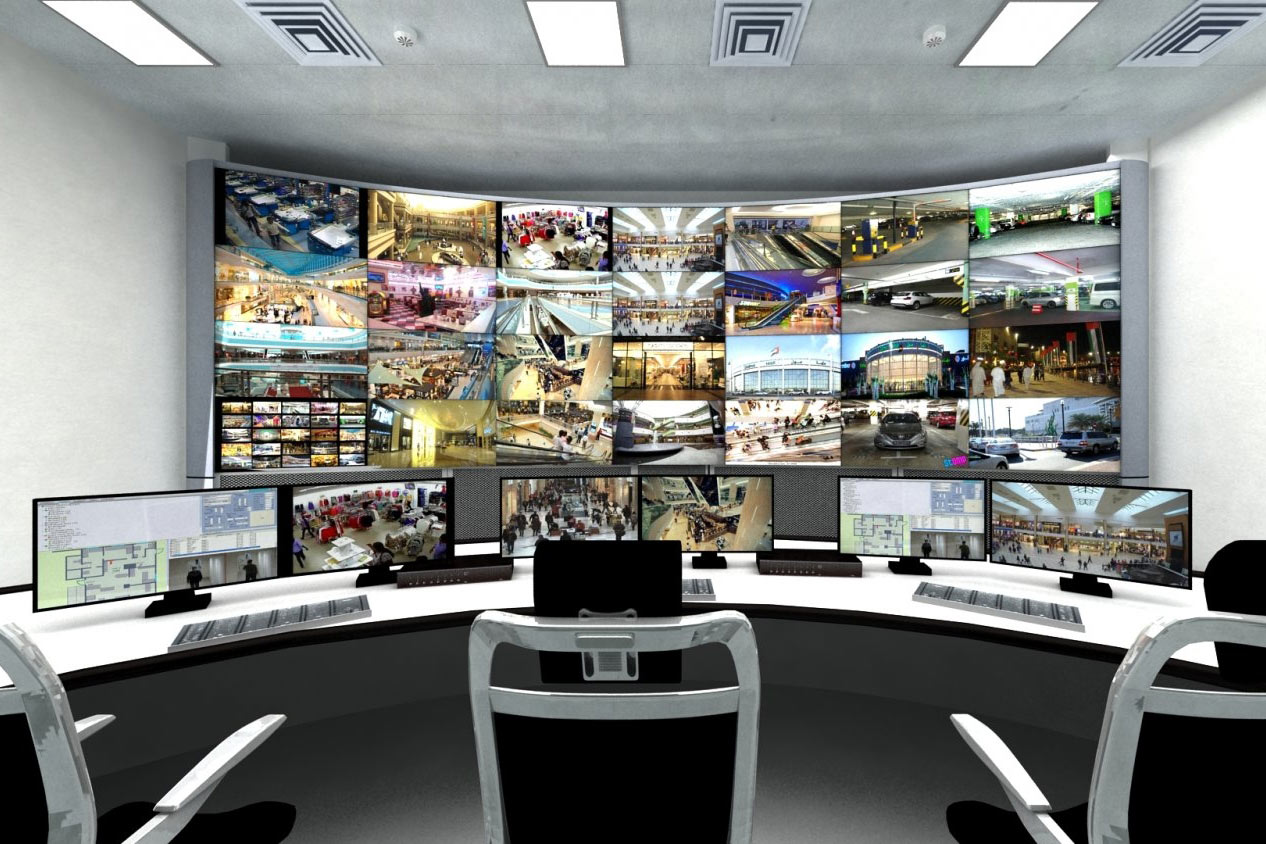
At the same time, the CFO is staring at the electricity bill, wondering why it hasn’t moved despite the massive CAPEX.
If this sounds familiar, you don’t have a hardware problem.
You have a Sequence of Operations (SOO) problem.
In the industry, this is known as the “High-Efficiency Hardware, Low-Efficiency Logic” gap—exactly what ASHRAE Guideline 36 was designed to address.
The Real Pain Point: “Spaghetti Code” Inside Your BMS
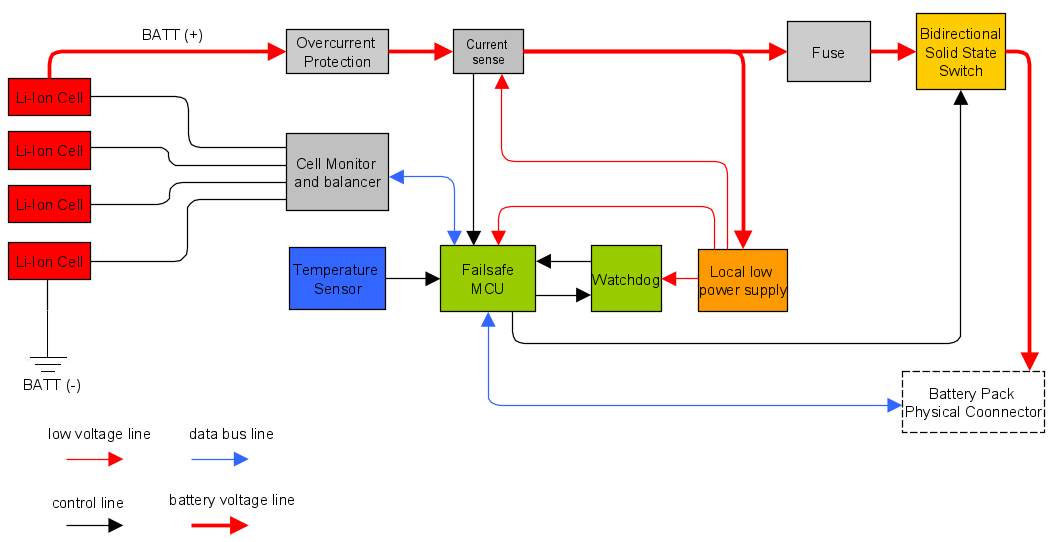

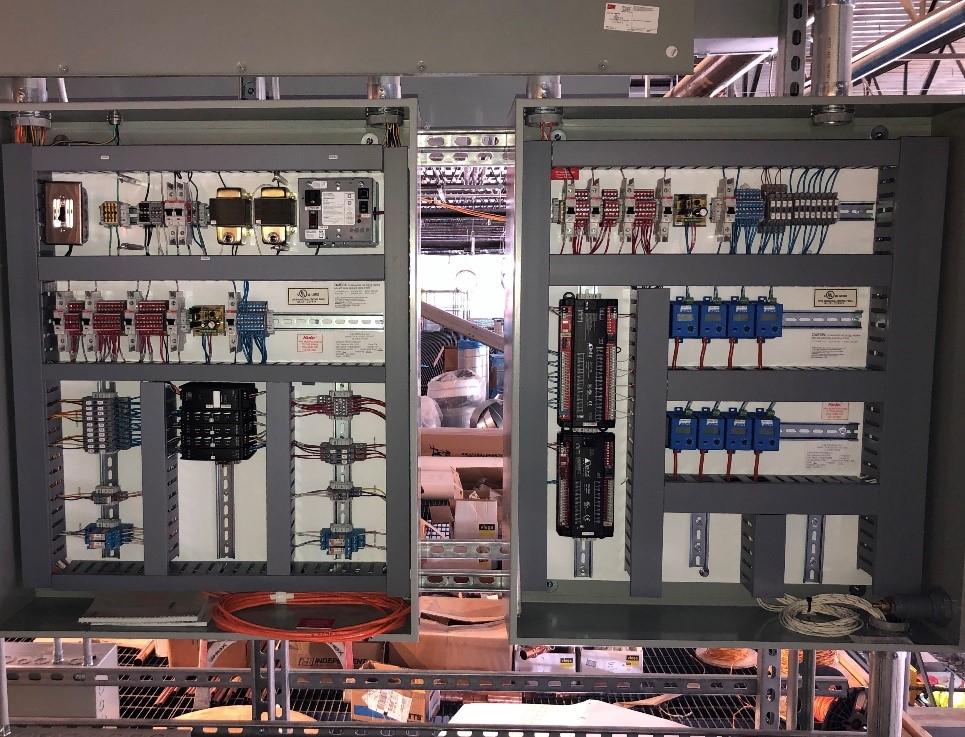
What most owners never see is the logic layer—the actual if-then rules that decide how valves, fans, and pumps behave.
In many commercial buildings, this logic is:
- Written in a hurry
- Copied from previous projects
- Commissioned just enough to close the job
So-called “standard logic” often translates to:
Run everything at full speed until someone complains.
The equipment is modern.
The thinking is not.
⚡ Enjoying this article? Stay updated with weekly HVAC & Energy Hacks — straight on WhatsApp!
💚 Join Our WhatsApp ChannelReal-Life Example: The Rogue Zone Problem

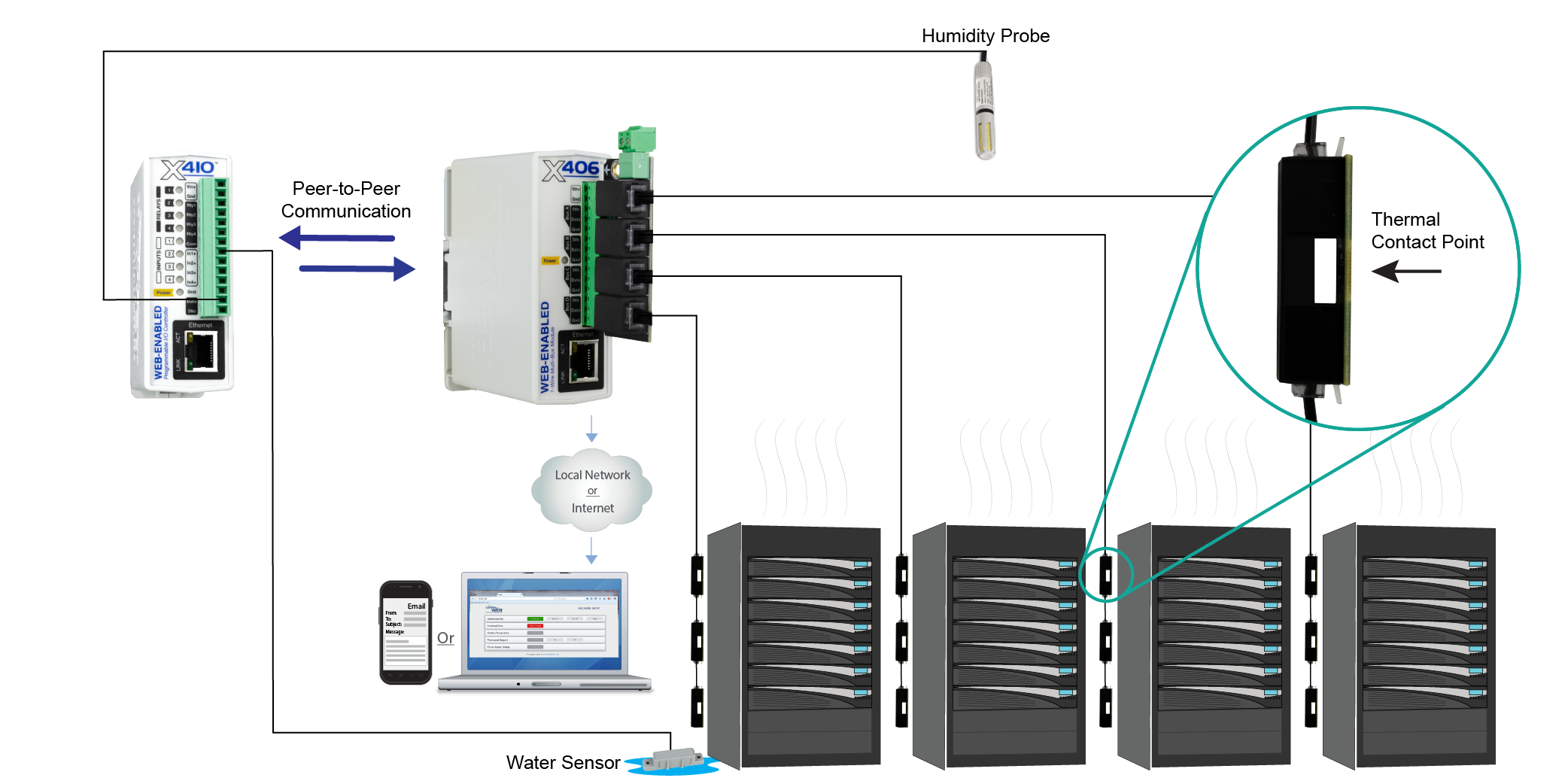
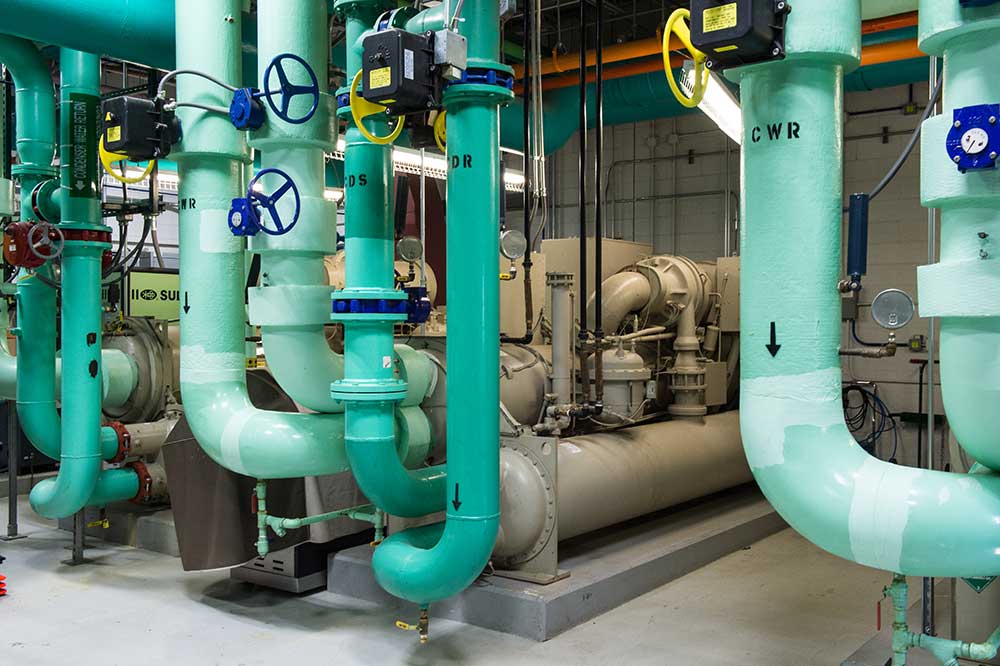
During an audit of a high-rise building, we found a fully modern chiller plant behaving irrationally.
Root cause:
- One small server room had a faulty temperature sensor
- The sensor kept reporting 30°C
- The BMS believed it blindly
Result:
- Entire chilled-water plant ramped up
- Pumps sped up
- Energy consumption surged
This is a Rogue Zone—one bad sensor dictating plant-level behavior.
Without proper logic, a building is only as smart as its weakest sensor.
Why “Smart” Buildings Are Quietly Wasting Energy
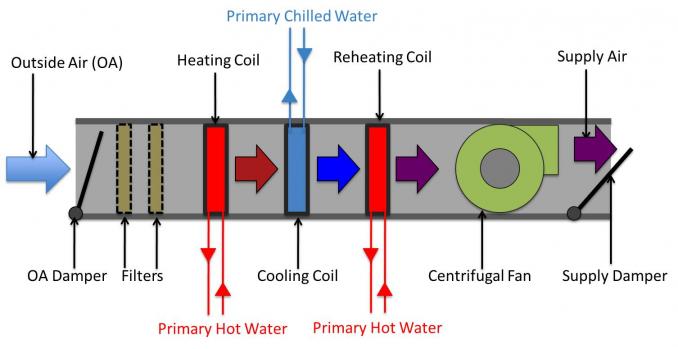

In high-humidity seasons, a common sequence looks like this:
- AHU cools air down to 13°C to remove moisture
- Occupants feel cold
- VAV boxes switch on electric reheaters
- Air is reheated to 22°C
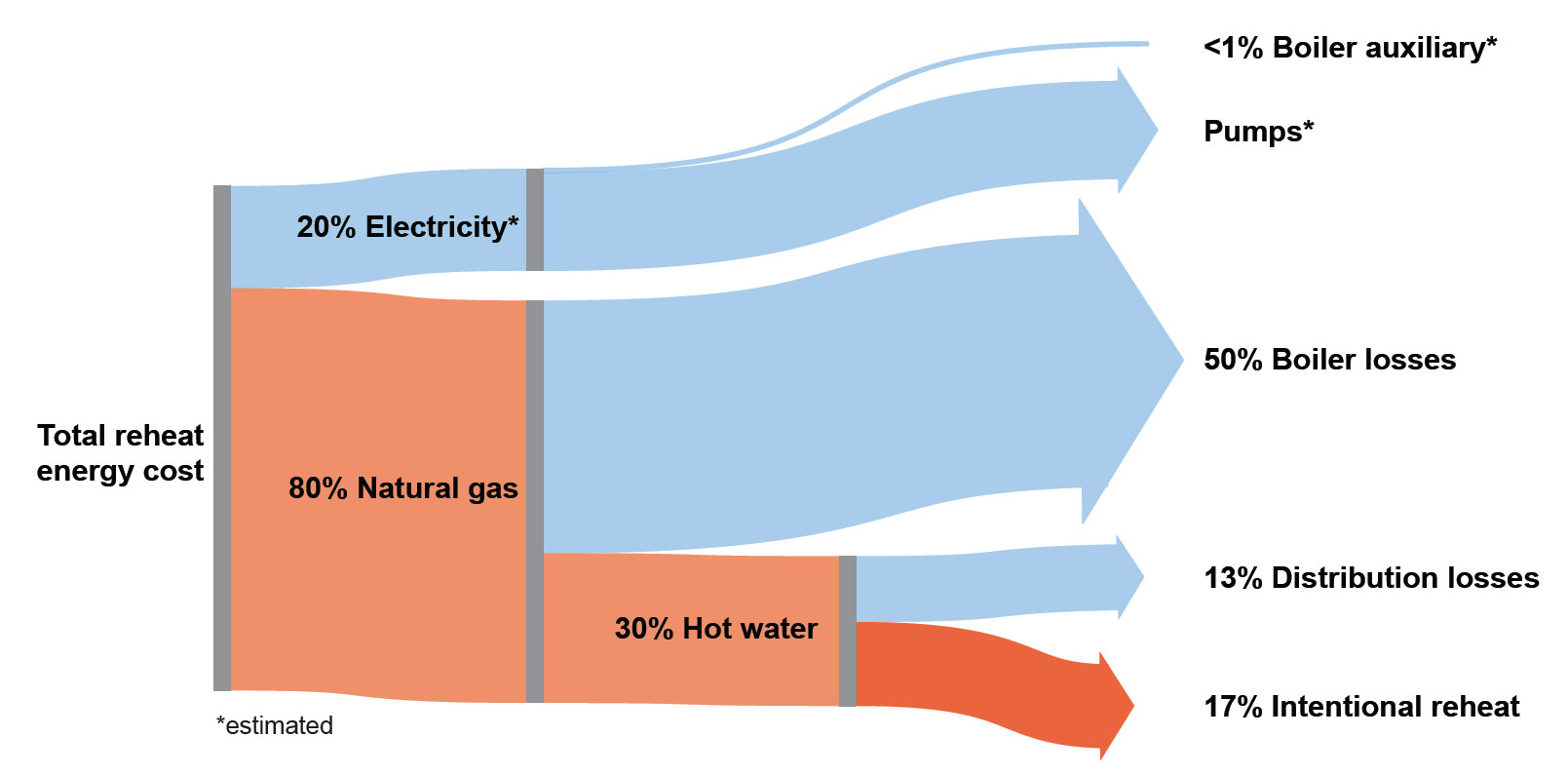
You pay to cool the air.
Then you pay again to heat the same air.
It’s the HVAC equivalent of driving with one foot on the accelerator and the other on the brake.
This is not a design flaw.
It’s a control philosophy failure.
What ASHRAE Guideline 36 Actually Fixes


Guideline 36 is not hardware.
It is not software.
It is a standardized, high-performance way of thinking about HVAC control.
1. Trim & Respond — Ask, Don’t Assume
Instead of fixed static pressure:
- The system checks if zones are satisfied
- Gradually trims fan speed
- Responds only when real demand appears
Without this, fans often run near maximum speed even when the building is lightly occupied.
2. Automatic Rogue Zone Detection
Guideline 36 identifies abnormal behavior:
- One zone demanding excessive cooling
- Requests inconsistent with neighboring zones
- Likely sensor or damper failure
The system limits its influence and raises a maintenance alarm instead of letting it drive the entire plant.
3. Override-Resistant Operation
A common “fix” worldwide:
- Locking VFDs at constant speed
- Forcing valves open
- Overrides forgotten for years
Guideline 36 introduces:
- Time-limited overrides
- Automatic release
- Operational accountability
Stop Buying “Boxes.” Start Buying “Behavior.”

If you manage a facility, here’s how to act on this:
Audit the Logic, Not the Motor
Ask to see the chilled-water or air-side SOO.
If it can’t be clearly explained, that’s your real efficiency leak.
Specify Guideline 36 in Tenders
Including G36 compliance forces vendors to move away from copy-paste logic toward proven sequences.
Fix Sensors First
Advanced logic is useless without reliable data.
Uncalibrated sensors make even the best system blind.
The Bottom Line
Bureau of Energy Efficiency and global regulators are pushing toward Net Zero.
But a building isn’t smart because it has a touchscreen.
It’s smart because of:
- How it decides
- How it ignores bad data
- How it behaves when no one is watching
Most HVAC energy waste isn’t caused by old machines.
It’s caused by bad instructions.
ASHRAE Guideline 36 is the instruction manual the industry needed years ago.
At EnerShares, we believe the most efficient part of your HVAC system should be the way it thinks.
